
Loading...
Serving Seagoville, TX and surrounding areas. (469) 848-8587
Menu
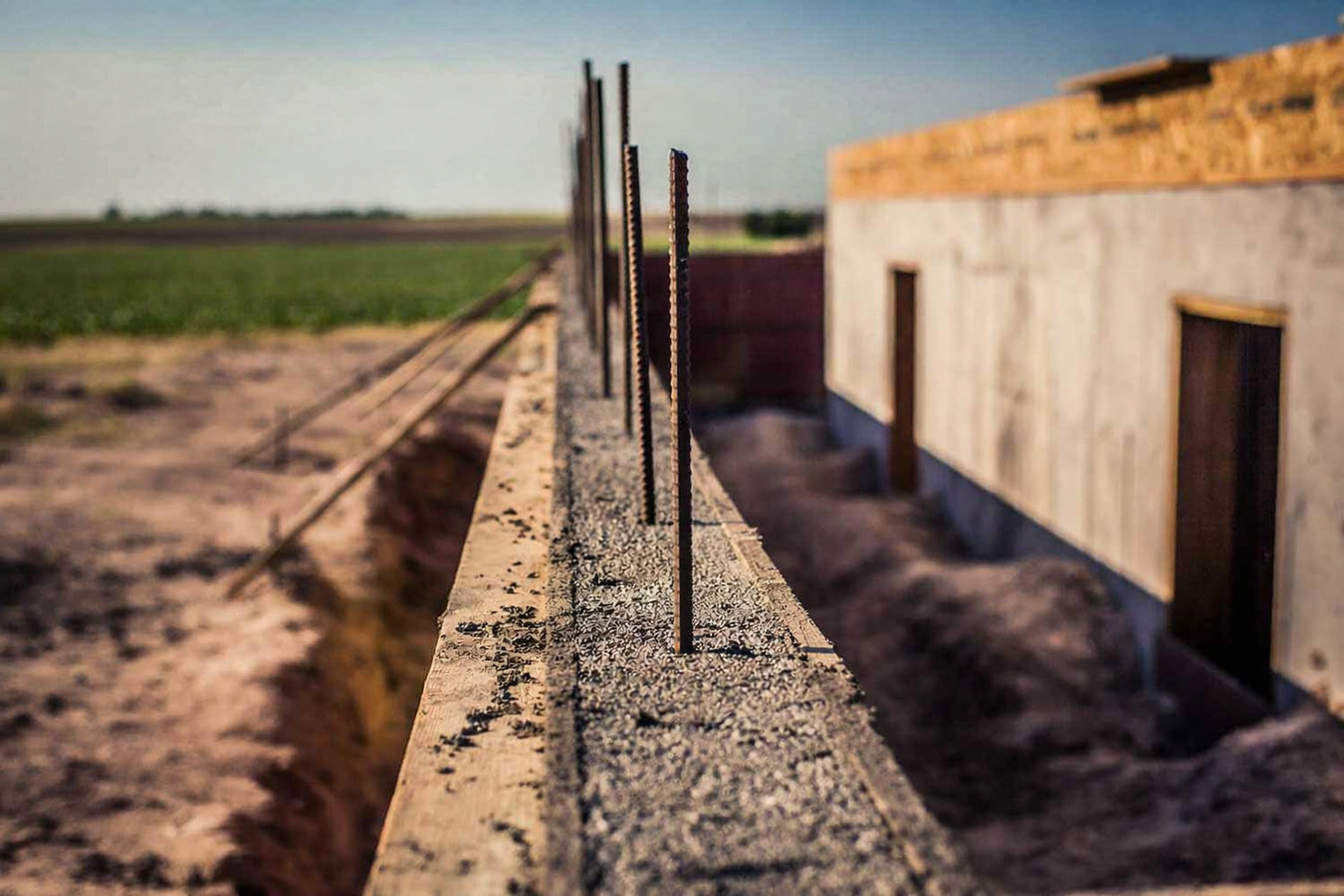
A sunken foundation in North Texas gets worse every dry season. We lift settled slabs in Seagoville without tearing them out - restoring a level, stable surface in a single day.
Foundation raising in Seagoville lifts a settled or sunken concrete slab back to its original level by pumping material into voids beneath it through small drilled holes - restoring a flat, stable surface without removing the concrete, with most residential jobs completed in a single day.
If your doors are sticking, your floors feel like they tilt, or you are noticing new cracks appearing near door frames and windows, your foundation has likely moved. In Seagoville and throughout Dallas County, the dominant cause is the heavy black clay soil that swells when it absorbs rain and contracts sharply during hot dry summers. That constant cycle leaves voids beneath the slab that let it drop - and the longer you wait, the more areas are affected. Foundation raising addresses the settled concrete itself; for situations where the underlying soil or drainage problem also needs correction, our slab foundation building service covers complete new slab work when replacement is the better answer.
Most homeowners are surprised by how little disruption the process involves. The crew arrives, drills a series of small holes at lift points, injects the raising material until measurements confirm the slab has returned to the right elevation, then patches the holes. There is no demolition, no long curing wait, and no need to relocate during the work.
When a foundation settles unevenly, door and window frames shift out of square. Doors that used to swing freely now drag or fail to latch, and windows have become hard to open. In Seagoville, this symptom often gets noticeably worse during dry summer months when the clay soil contracts the most beneath the slab.
Diagonal cracks from door or window corners, or stair-step cracks in drywall, signal that one part of your home has moved relative to another. These differ from normal hairline cracks - they are wider at one end and reappear after patching. New or growing cracks in multiple rooms at once is a clear sign that foundation movement is the cause.
A visible gap opening between baseboard trim and the floor, or between a wall and the floor surface, is a strong indicator that the slab in that area has dropped. This is especially common in rooms over a garage slab or in sections of the home where the soil dries out faster than the rest.
Walking across a floor that tilts noticeably or has a dip you can feel underfoot is one of the clearest signs of foundation settling. Furniture that rocks on a surface that used to be flat, or a ball that rolls consistently in one direction, are simple ways to confirm the problem. North Texas homes on clay soil experience this kind of movement more than most parts of the country.
We lift settled residential and light commercial foundations across Seagoville using two proven methods: traditional mudjacking, which pumps a cement-and-soil slurry through drilled holes to fill voids and raise the slab, and polyurethane foam injection, which uses a lighter, faster-curing material ideal for smaller voids and tighter access situations. Every job starts with an on-site assessment - we look at the crack patterns, measure how far areas have dropped, and evaluate the drainage around your home before recommending a method. That assessment is what separates a repair that holds from one that needs repeating after the next dry summer. Our concrete cutting service is often part of the same project when a section of the slab needs to be removed before lifting can happen correctly.
For situations where the slab itself is too damaged to raise - severely cracked, broken into multiple pieces, or compromised by an ongoing soil problem that lifting alone cannot address - our slab foundation building service covers full replacement from excavation through finished pour. We will tell you honestly which situation you are in, because raising a slab that should be replaced is a waste of your money and ours.
Best suited for larger settled areas where the voids beneath the slab are substantial and the concrete itself is still structurally sound. A proven method with a long track record in the Dallas-Fort Worth area.
Best suited for smaller voids, tighter work areas, or situations where a lightweight lifting material is preferred. Cures faster than slurry and requires smaller holes, though it typically costs more per access point.
Included with every foundation raising job because lifting the slab without addressing why it moved is a short-term fix. We evaluate your grading and drainage patterns and explain what changes will help the repair last.
Most residential foundation work in Texas requires a permit. We handle the application and inspection coordination so the work is on official record - which protects you at resale and documents that the job was done to code.
Seagoville sits squarely on the Blackland Prairie, the belt of expansive black clay that runs through the heart of the Dallas metro. This soil - sometimes called "black gumbo" by longtime residents - swells dramatically when it absorbs rain and then contracts and cracks during the long hot summers that define the Texas climate here. That cycle is not a one-time event. It happens every year, which means foundation movement is not a rare problem in this area but a predictable consequence of the soil. When the clay pulls away from the underside of a slab during a dry spell, it leaves a void. When rain comes and the soil expands unevenly, different parts of the slab move in different directions. Extended droughts, which are common in the Dallas area, make this worse by drying the clay down several feet below the surface. Following the guidance from organizations like the American Society of Concrete Contractors on repair methods and quality standards helps ensure the lifting work holds up through those repeated soil movement cycles.
Drainage around the home plays a big role in how quickly a repair will hold. Homes where water pools near the foundation after rain, or where the grading slopes toward the structure instead of away from it, see the clay soil stay saturated on one side while the other dries out. That uneven moisture is what causes the slab to tilt rather than settle uniformly. Homeowners in Mesquite and Balch Springs face the same soil conditions and drainage challenges that Seagoville properties do. We serve all of these areas and bring the same understanding of local clay behavior to every job.
We schedule a visit to walk your home inside and outside, look at crack patterns, measure how far areas have dropped, and assess the drainage situation. You receive a written estimate - typically within one business day - that explains what method we recommend and why, along with an honest answer on whether raising is the right fix for your slab.
For most residential foundation work in Texas, a permit is required. We handle the application with the local building authority so the work is on record. This step adds a small amount of lead time but protects you by ensuring an inspector can verify the work is complete and correct - which matters when you sell your home.
On the day of the job, the crew drills small holes at the planned lift points, injects the raising material until sensors and measurements confirm the slab has reached the correct elevation, then patches the holes with concrete. For most residential jobs this is done in one day. The work is far less disruptive than demolition or replacement.
Before we leave, we walk through the repaired areas with you to confirm doors, windows, and floors feel correct. We also explain any drainage steps - grading, gutter extensions, or soil watering during dry periods - that will help keep the clay beneath your foundation as stable as possible through future weather cycles.
No obligation, no pressure. We come out, assess your slab and drainage, and give you a written quote with an honest recommendation. Most estimates delivered within one business day.
(469) 848-8587A trustworthy contractor identifies why the slab moved before lifting anything. In Seagoville, that usually means evaluating drainage patterns and explaining how the expansive clay soil behavior is affecting your specific foundation. Lifting without understanding the cause is a short-term fix on North Texas clay.
Foundation repair in Texas typically requires a permit, and work done without one creates problems at resale. We handle the application and inspection coordination so your repair is officially documented. That paper trail is worth having, especially in a competitive Dallas-area market where buyers and inspectors look carefully at foundation history.
Some situations call for mudjacking, others for foam injection, and some slabs genuinely need replacement rather than raising. We tell you which is true for your home and explain the reasoning. Recommending a raising job on a slab that should be replaced does not serve you - or our reputation in the area.
Texas requires contractors performing structural work to hold a valid state license, verifiable through the state licensing database before you sign anything. We carry current liability and workers' compensation insurance and provide proof on request before work begins.
Foundation movement in Seagoville is driven by the same soil every contractor here has to work with - but not every contractor understands how to address it properly. A repair that holds through multiple drought-and-rain cycles is the goal, and that requires an honest assessment upfront, not just a fast lift.
Precise diamond-blade cutting to remove damaged slab sections cleanly before raising or replacement work begins.
Learn MoreComplete new slab installations for homes and structures when the existing foundation is too damaged to raise and replacement is the right answer.
Learn MoreEvery dry season that passes adds more movement to a settling slab - call today and get a written estimate before the next summer heat cycle makes it worse.